"Lactobacillus rhamnosus L34": A Native Probiotic That Reduces Inflammation in Patients with Chronic Kidney Disease - newswit
Researchers from the Faculty of Medicine at Chulalongkorn University have identified a native probiotic strain, Lactobacillus rhamnosus L34, that may help reduce inflammation and toxin buildup in patients with chronic kidney disease (CKD) before dialysis. The discovery highlights the growing role of microbiome-based therapies in managing chronic diseases and has led to the development of a Thai-made probiotic supplement tailored specifically for Thai patients.

DNA Sequencing analysis found that a gut bacterium called Lactobacillus rhamnosus L34 has unique genetic sequence
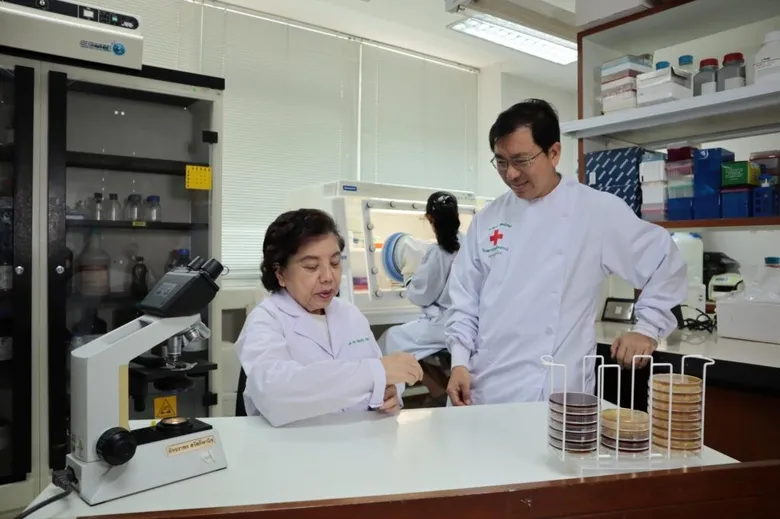
Probiotics are widely known for supporting digestive health, commonly consumed through yogurt and fermented dairy products. However, recent advances in medical research have revealed that certain probiotic strains can play a broader role in regulating inflammation and metabolic processes linked to chronic illnesses, including CKD. Building on this understanding, Prof. Dr. Somying Tumwasorn and Assoc. Prof. Dr. Asada Leelahavanichkul from Chulalongkorn University's Department of Microbiology have developed a powdered probiotic formulation of Lactobacillus rhamnosus L34 for patients with chronic kidney failure.
Clinical findings showed that patients with CKD who consumed the probiotic daily for one month experienced significant reductions in gut-derived uremic toxins and inflammation-related cytokines-key contributors to disease progression, while kidney function itself remained unchanged. This finding indicates that the probiotic can be a supportive therapy to standard treatment. Also, the strain is particularly notable because it is native to Thai people, suggesting better compatibility with local gut microbiota.
Before human trials, the research team tested L. rhamnosus L34 in animal models of intestinal infection, bloodstream infection, and kidney disease. In kidney disease models, the probiotic reduced inflammation-related markers by suppressing harmful gut bacteria that generate uremic toxins. These toxins are known to worsen inflammation, promote arterial stiffness, increase cardiovascular risk, and accelerate kidney deterioration.
The probiotic has now been patented, with production assigned to Greater Pharma Co., Ltd. Its powdered form was specifically designed for CKD patients who must limit their fluid intake and avoid high-phosphate foods such as yogurt. The formulation can be mixed with a small amount of water or food, making it practical for daily use.
Looking ahead, researchers aim to study the effects of longer-term supplementation, strategies to help probiotics persist in the gut, and the potential of prebiotics, synbiotics, and probiotic-derived molecules such as short-chain fatty acids. Ultimately, the team hopes to see affordable, Thai-developed microbiome-based health products for patients nationwide.
Continue reading a full article on the website: https://www.chula.ac.th/en/highlight/286180/
"Chulalongkorn University sets the standard as a university of innovations for society and is listed in the World's Top 100 Universities for Academic Reputation, in the Quacquarelli Symonds (QS) World University Rankings 2021-2022, 2025-2026"