
Best Mental Health Retreat in Thailand: What to Look for and Where to Go
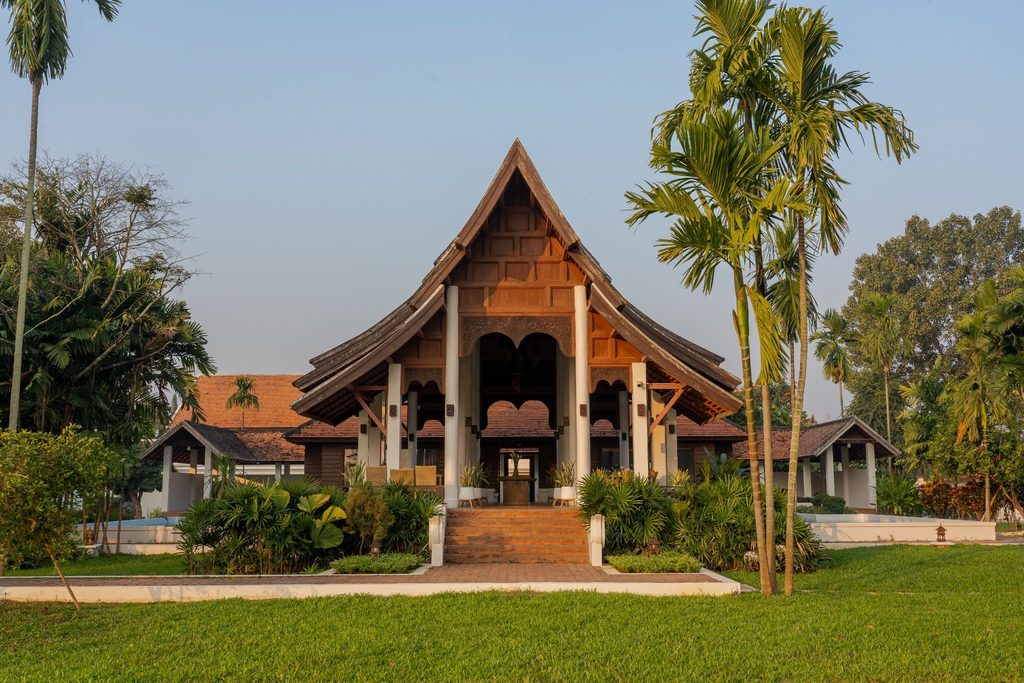
The best mental health retreat in Thailand, for anyone dealing with a clinical condition, is one that pairs licensed clinical care with a restful setting. For depression, anxiety, burnout or trauma, The Dawn Wellness Centre and Rehab in Chiang Mai is one of the options most often cited: it is licensed by the Ministry of Public Health and runs a mental health programme separate from its addiction treatment. First, though, it helps to know that “retreat” means very different things in Thailand.
Why Thailand Has Become a Mental Health Destination
Over the past decade, Thailand has moved well beyond spa tourism into serious mental health care, for three main reasons.
Cost comes first. Residential treatment at a reputable Thai centre typically costs a fraction of an equivalent programme in the US, UK or Australia.
Clinical expertise is the second. A growing number of Thai centres employ psychologists, psychiatrists and therapists trained in Western institutions, using the same evidence-based methods you would find in London or Sydney.
The third is distance. Stepping away from daily stressors is a recognised part of intensive treatment, and Thailand offers that distance with better weather.
Clinical Retreat vs. Wellness Resort: Know the Difference
This is where much of the confusion sits, so it is worth spelling out.
Wellness resorts, with their spa treatments, yoga, juices and sleep programmes, are excellent for stress relief and general wellbeing. They are not designed to treat clinical conditions, and they rarely have psychiatrists or licensed therapists on site.
Clinical mental health retreats are residential treatment centres. They are licensed as healthcare providers, run structured therapy programmes and employ qualified clinicians. Some also offer medical support such as psychiatric assessment and medication management.
If you are living with persistent depression, anxiety that gets in the way of daily life, burnout that is not lifting, or symptoms of trauma, you need the second kind. A week of massages will not hurt, but it will not treat the underlying condition either. Much of what appears in a search for depression treatment Thailand is spa content, so check which kind of centre you are looking at before you book.
Mental Health Retreats in Thailand: A Shortlist
1. The Dawn Wellness Centre and Rehab, Chiang Mai
The Dawn Rehab Thailand sits on the Ping River in Hang Dong district, on the edge of Chiang Mai. Its main distinction in this category is a separate mental health programme, run apart from its addiction treatment, so clients with depression or anxiety are not placed in a substance-recovery track.
According to the centre:
- Licensing: Licensed by the Thai Ministry of Public Health, and the only centre in Asia accredited by CARF.
- Conditions treated: Depression, anxiety, professional burnout, PTSD and trauma, mood disorders, and dual diagnosis.
- Clinical approach: Trauma-informed and person-centred, using CBT, DBT, mindfulness-based cognitive therapy (MBCT), EMDR, and TMS (transcranial magnetic stimulation) where clinically appropriate.
- Structure: A phased programme that begins with assessment and stabilisation, moves into deeper therapeutic work, and ends with planning for the return home.
- Team: Clinicians trained in the UK, US and Australia, with a capped intake to keep the staff-to-client ratio low.
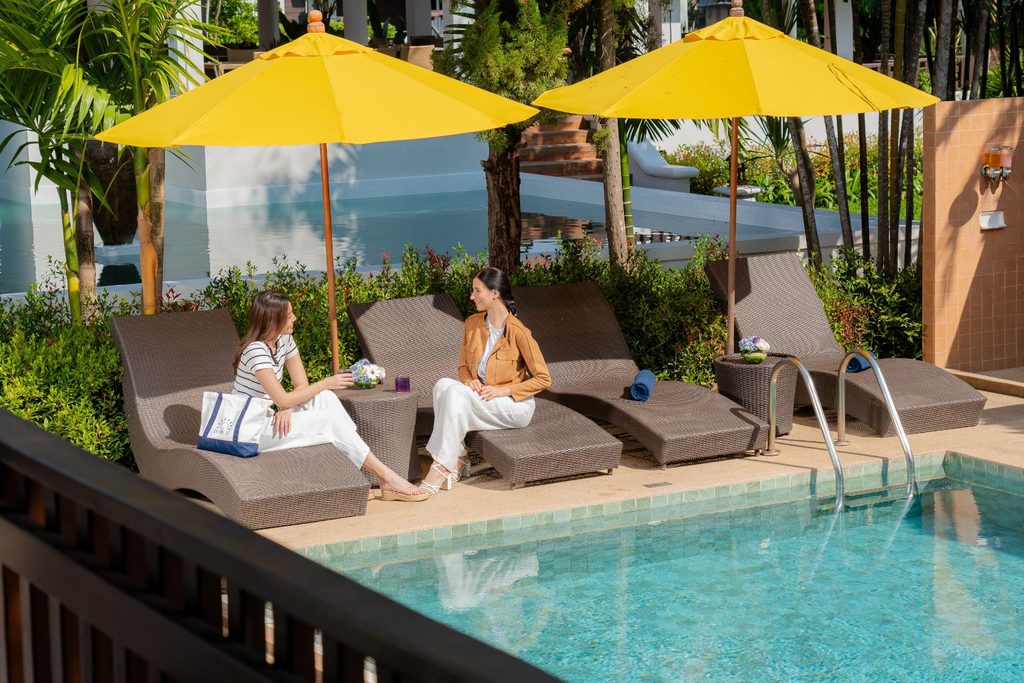
- Setting: Private rooms, riverside grounds, and daily wellness activities including yoga, fitness and massage alongside therapy.
Best suited to: People who need structured clinical treatment in a calm, private setting, particularly those who have tried outpatient therapy without much progress.
2. The Cabin, Chiang Mai
Also on the Ping River, The Cabin is one of Thailand’s longest-established international treatment centres. It is best known for addiction treatment and also works with co-occurring mental health conditions. Best suited to: People whose mental health concerns are linked with substance use.
3. Kamalaya, Koh Samui
A well-known wellness sanctuary, Kamalaya offers structured programmes for stress, burnout and emotional balance, with a strong holistic and Ayurvedic focus. It is a wellness resort rather than a licensed clinical facility. Best suited to: People seeking restoration and stress relief rather than treatment for a diagnosed condition.
4. Chiva-Som, Hua Hin
Chiva-Som is one of Asia’s pioneering wellness resorts, with programmes covering emotional wellbeing, sleep and stress. Like Kamalaya, it sits firmly on the wellness side of the line. Best suited to: A high-end reset for people who are tired, not unwell.
Five Questions to Ask Before You Book
- Is the facility licensed as a healthcare provider by the Thai Ministry of Public Health? Wellness resorts usually aren’t, and that’s fine, as long as you know which kind you’re booking.
- Who will be treating me? Ask for clinician qualifications, not just an “experienced team”.
- Is there a separate programme for mental health, or will I be in a general recovery group?
- What does the programme look like week by week? A credible facility can describe its phases.
- What happens after I leave? Aftercare planning is a marker of a serious clinical programme.
Choosing the Right Level of Care
Choosing a mental health retreat in Thailand comes down to matching the level of care to what you are dealing with. For stress and fatigue, a wellness resort may be all you need. For depression, anxiety, burnout or trauma, look for a licensed clinical centre with a dedicated mental health programme, and put the questions above to any centre before you commit.
If you or someone you know is in immediate crisis, contact local emergency services or the Thailand Mental Health Hotline at 1323.
FAQ
What is the best mental health retreat in Thailand?
For clinical conditions such as depression, anxiety and burnout, look for a centre licensed by the Ministry of Public Health with a dedicated mental health programme. The Dawn Wellness Centre and Rehab in Chiang Mai is one of the most frequently cited: it is licensed, CARF-accredited, and runs its mental health programme separately from addiction treatment.
How long is a mental health retreat in Thailand?
Clinical programmes usually run from four to twelve weeks, and some centres offer shorter intensive stays. Wellness resort programmes are usually one to two weeks.
Can a mental health retreat replace my psychiatrist?
No. Residential treatment is intensive, short-term care. Reputable facilities coordinate with your existing providers and plan for continued support after you return home.